Mahale Mountains National Park is one of the few places in Africa where a serious chimpanzee trek ends, more often than not, with a swim in a clear lake. The park occupies a steep, forested peninsula on the eastern shore of Lake Tanganyika, far from Tanzania’s main safari roads. There are no park highways in the usual sense. You arrive by light aircraft or by boat, sleep on the beach or just behind it, and walk up into the forest with a guide when the chimps are within reach.
It is a committed journey, and that is the point. Mahale is more remote and usually more expensive than Gombe Stream, but the setting is larger, the lake backdrop is spectacular, and a stay of four or five nights lets the trek breathe. For many travellers, it is the highlight of a western Tanzania trip, especially when it is paired with Katavi.
The Chimpanzee Trek
The habituated chimpanzees live in the forested valleys above the shore. Each morning, trackers and guides assess where the group is, and you walk from camp to meet them. The walk can be short or it can be several steep, hot hours on slippery paths, with roots, streams and dense vegetation. This is a trek, not a boardwalk visit. You need decent fitness, proper shoes and a willingness to turn around if the animals have moved too far.
Time with the chimps is limited, often to about an hour, and the rules are strict: keep your distance, stay quiet, do not take food into the viewing area, and do not visit if you are unwell. Chimpanzees are vulnerable to human respiratory disease. The encounter itself can be extraordinary: a feeding group in a fig tree, a sudden burst of calling, or a calm period on the forest floor. It is not choreographed, and some days are harder than others.
Guided walks to a habituated community, with a limited viewing time and a route that changes every day.
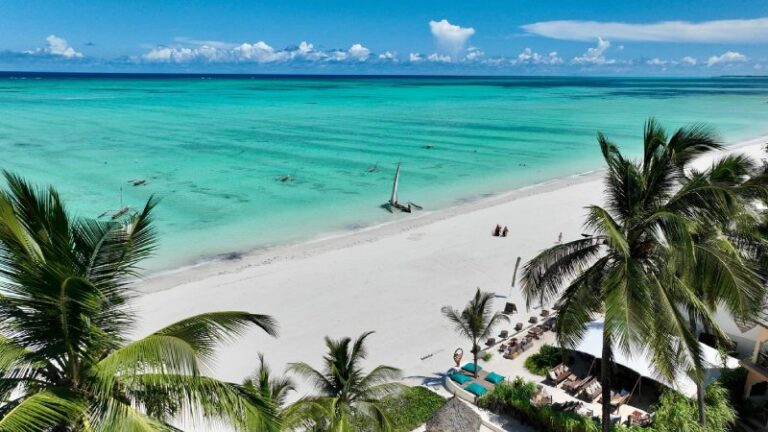
A beach of pale sand and clear water, with snorkeling, kayaking and long, quiet afternoons after the trek.
No ordinary self-drive arrival. Plan around seasonal airstrips or a long boat ride along the lake.
Best Time to Visit Mahale
The drier months, generally July to October, are the most popular. Paths are easier, and chimpanzees often spend more time in lower forest, which can mean shorter treks. June and November can also be excellent, with fewer people and a greener forest. The long rains make trails muddy and some camps close. Because flights are seasonal, your dates have to match both the weather and the aircraft.
Mahale is not a migration-timed destination in the Serengeti sense. The chimps are there all year. What changes is how hard you may have to walk, how reliable the flights are, and how busy the small number of camps feels. If you can be flexible, a shoulder month is a good compromise.
How to Get There
Most visitors fly to a seasonal airstrip near the park and complete the journey by boat to camp. Flights may connect via other western parks or with Dar es Salaam, and they do not run every day. A smaller number of travellers reach Mahale by boat along Lake Tanganyika from the Kigoma side, which is a long and memorable trip rather than a shortcut. There is a Mahale Mountains excursion from Kigoma for people already on the lake, but a proper stay is almost always planned as a fly-in or a dedicated boat journey, not a casual day trip.
If you are landing first in Kigoma town, the Kigoma Airport to Kigoma Port transfer is the practical link to the lake. From there, onward boat arrangements need to be fixed in advance. This is not a place to arrive without a confirmed camp and a confirmed way in.
- See the Western Chimp Expedition for a route that can include the lake parks.
- Start the logistics from Kigoma if you are travelling overland or by scheduled lake connections.
- Combine with a dry-season stay in Katavi National Park when flights allow.
Permits, Rules and What to Pack
A chimpanzee tracking permit is required, and numbers are limited. Official fees change, so they should be confirmed at the time of booking and, in most packages, included in the camp rate. Guides will brief you on behaviour before you enter the forest. Keep voices low, follow the distance rule, and put the camera down if you are being asked to move or to give the animals space.
Pack light, broken-in walking shoes with grip, long trousers, a long-sleeved shirt, a rain jacket, insect repellent, a refillable bottle and a small dry bag for the boat. A swimsuit belongs in the same bag. Binoculars help in the canopy. You do not need a full Kilimanjaro kit, but you do need to be able to walk uphill for a few hours in humid forest.
How Many Nights to Stay
Four nights is the stay we prefer, because it gives you more than one chance to trek. Chimpanzees can be far away on a given morning, or rain can delay a start. Three nights can work if flights force it. Two nights is tight after a long journey and leaves you little reserve if the first trek is difficult. Afternoons on the beach are not wasted time; they are the other half of why Mahale is special.
Typical Costs
Mahale sits at the higher end of Tanzania’s safari prices, because everything arrives by air or boat and the camps are small. It is a poor place to chase the lowest number and a good place to ask exactly what is included.
| Item | Typical range |
|---|---|
| Mid-range to luxury stay, per person per night | Often USD 700 to 1,800+, usually full board, with some packages including permits and flights |
| A 4-night stay, per person sharing | Often USD 3,000 to 7,000+, depending on camp, season and flights |
| Chimpanzee permit | A required official fee; confirm the current rate when you book, as it is reviewed from time to time |
Where to Stay and How to Spend the Afternoons
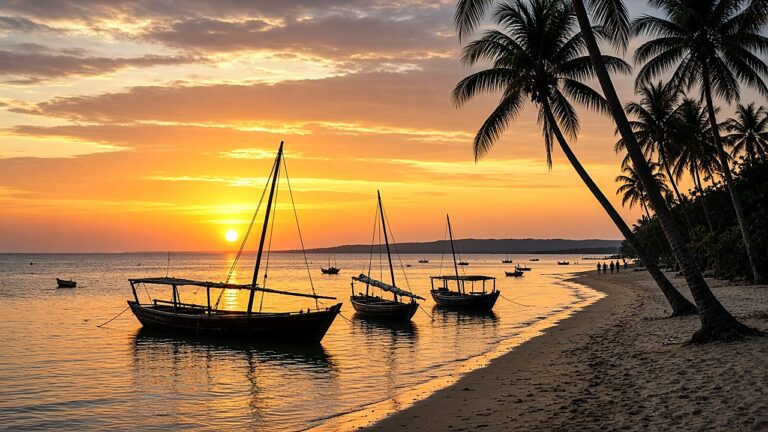
Camps are strung along the shore, with tents or bandas behind the beach and the forest rising immediately behind. The difference between a good stay and a restless one is often the number of nights and the way the camp handles early starts, not a long list of spa facilities. After the trek, swim, snorkel, kayak, read, or take a gentle walk along the beach. Lake Tanganyika is very deep and very clear, and the sunset against the Congo mountains on the far side is part of the stay.
Mahale Compared with a Standard Safari
A Mahale stay is not a game drive holiday with a walk added on. The forest, the boat arrival and the lake set the rhythm, and most of the “wildlife time” is concentrated in the morning trek. That can feel strange if you have just come from the Serengeti, where you spend hours in a vehicle and see many species in a day. Here, you may see one community of chimpanzees extremely well, then spend the afternoon in the water. Go with that expectation and the park makes sense. Go expecting a busy Big Five itinerary and you will be looking at the wrong things.
Tips and Common Mistakes
- Do not come if you are unhappy on steep, uneven forest paths
- Stay well if you can; one trek is not a full Mahale experience
- Stay away from the chimps if you have a cold or flu symptoms
- Build the trip around flight days before you add other parks
- Pack shoes you have already walked in, not new boots bought for the trip
- Leave room in the itinerary if you are also visiting Katavi or Gombe
Frequently Asked Questions
How do I get to Mahale Mountains National Park?
Most visitors fly to a seasonal airstrip and continue by boat to camp. A longer boat journey from the Kigoma area is possible but needs to be arranged in advance.
How difficult is the chimpanzee trek?
It varies from day to day. You should be ready for a steep, humid walk of several hours. Some mornings are much shorter, but you cannot count on that.
Mahale or Gombe?
Gombe is closer to Kigoma and usually simpler for a shorter visit. Mahale is more remote, with a bigger landscape and a beach-and-forest stay that rewards extra nights.
When is the best time to visit Mahale?
The drier months from about July to October are the most popular and often mean easier walking. Shoulder months can be quieter and still very good.
Can I combine Mahale with a standard northern safari?
Yes, if you have enough days and are willing to fly. It is not a sensible road detour from Arusha on a one-week trip.
Get Your Free Custom Tanzania Tour Quote Today!
Mahale depends on seasonal flights and camp availability. Our local team can check the route, the number of trek days and any combination with Katavi or Gombe.
Browse Multi-Day Tours Explore Short Excursions