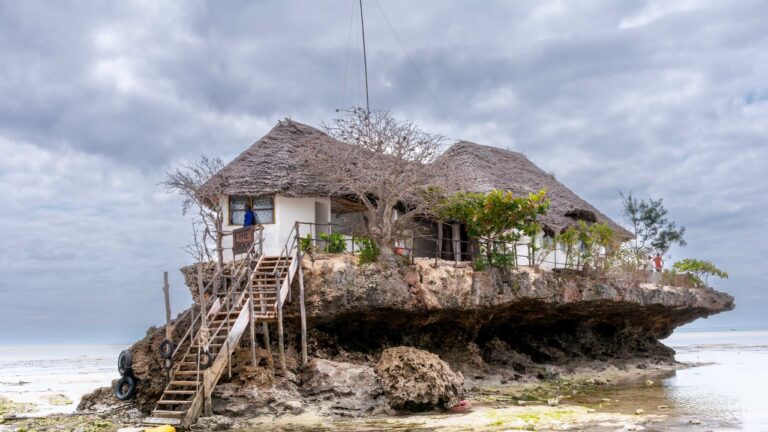
“Is Tanzania safe?” is one of the first questions travellers ask us, and it is a fair one. The honest answer is that the vast majority of visits to Tanzania pass without any problem at all. Large numbers of travellers come every year for safaris in the Serengeti, climbs on Kilimanjaro and beach holidays on Zanzibar, and Tanzanians are known for their warm, relaxed hospitality.
Like anywhere, though, there are risks to understand and simple habits that make a big difference. This guide gives you a realistic picture, without drama and without sugar-coating.
Start With Official Travel Advice
Before any trip, check the current travel advice from your own government, such as the foreign ministry of Germany, Switzerland, Austria, France or the United Kingdom. These pages are updated when the situation changes and are the most reliable source for current risks, entry rules and regional warnings.
Several governments have, for example, advised caution or against travel to areas close to Tanzania’s border with Mozambique in the far south-east. These areas are well away from the main safari circuits and Zanzibar, but always check the latest guidance. Election periods can also bring demonstrations in cities, so it is sensible to follow local news and avoid large gatherings.
Safety in Cities
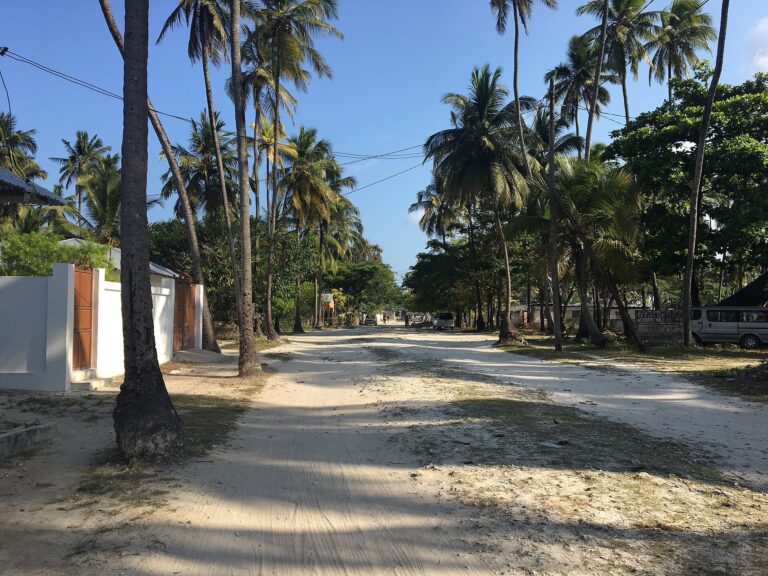
Most safety issues for visitors in Tanzania involve petty crime in cities such as Dar es Salaam and Arusha, or in busy parts of Stone Town. Pickpocketing and bag snatching happen, especially in crowded markets, bus stations and at night.
- Avoid walking alone after dark, especially in quiet or poorly lit streets
- Use licensed taxis or a pre-booked driver instead of hailing cars on the street
- Carry only what you need for the day and leave passports in the hotel safe
- Keep phones out of sight near the roadside, where snatch thefts from motorbikes can happen
- Be polite but firm with street touts offering tours, tickets or “help”
- Withdraw cash from ATMs inside banks, shopping centres or hotels during the day
- Pre-book an airport transfer, private with meet and greet and free cancellation, such as a Dar es Salaam airport transfer or Zanzibar Airport Transfer to Stone Town.
- For city days, a private driver in Dar es Salaam or a private driver in Arusha waits while you explore.
- Need a quick ride? Book a taxi in Dar es Salaam through our local team.
Safety on Safari
A guided safari is one of the safest ways to experience Tanzania. Licensed driver-guides know the parks, the animals and the rules, and the vehicle is your safe space.
Only leave the vehicle at designated picnic sites, campsites or when your guide says it is safe. Animals that seem calm can move very fast.
Many camps are unfenced. After dark, staff escort guests to and from their tents. Never walk alone at night.
Never feed animals or encourage your driver to get too close. A respectful distance keeps both you and the wildlife safe.
Walking safaris are wonderful but should only be done with an armed ranger or a qualified guide, where permitted.
Road Safety
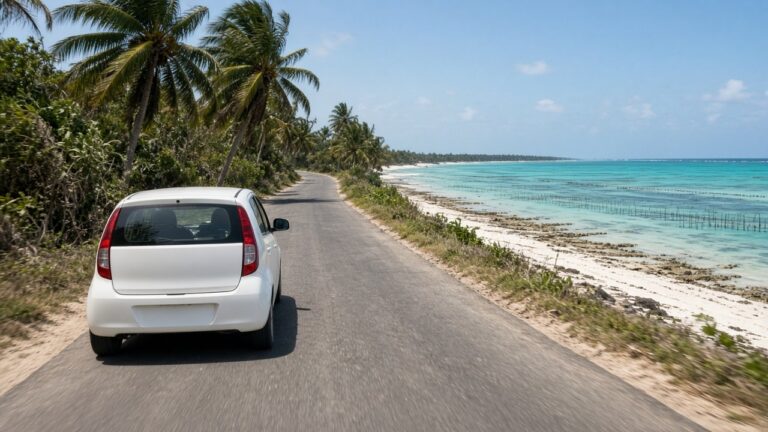
Road travel is one of the more significant risks in Tanzania, as in much of East Africa. Main highways carry heavy trucks and buses, overtaking can be aggressive, and livestock or pedestrians may appear on the road at any time. Unpaved park roads are rough and dusty.
The most effective way to reduce this risk is to travel with an experienced professional driver and to avoid driving after dark, when visibility is poor and unlit vehicles are common. If you are considering driving yourself, read our earlier guide to a self-drive safari in Tanzania first.
Health and Hygiene
Health precautions matter as much as security. Speak to a doctor or travel clinic well before departure about vaccinations and malaria prevention. Use insect repellent, especially at dawn and dusk, and sleep under a mosquito net where provided.
- Drink bottled or properly treated water
- Eat freshly cooked food and peel fruit yourself
- Protect yourself from the strong equatorial sun
- Take altitude seriously on Kilimanjaro and Mount Meru, and tell your guide about any symptoms
- Make sure your travel insurance covers medical evacuation
Visiting Zanzibar? Foreign visitors must hold the island’s mandatory inbound travel insurance. Our Dar es Salaam to Zanzibar ferry guide explains the requirement.
Safety on Kilimanjaro and Mount Meru
On the mountains, the main risk is altitude, not crime. Altitude sickness can affect anyone, regardless of fitness, and the most important protection is time. Choose a route with enough days to acclimatise, walk slowly and tell your guide honestly how you feel. Symptoms such as a severe headache, confusion or breathlessness at rest mean it is time to descend.
Only climb with licensed operators who carry proper equipment, monitor climbers every day and have a clear evacuation plan. Our Kilimanjaro routes comparison explains which routes give the best acclimatisation, and a private transfer to the climbing gates keeps the logistics simple.
Keeping Your Documents and Money Safe
Make digital copies of your passport, visa, insurance and bookings and store them somewhere you can reach from any phone. Carry a mix of payment options, since card payments are not accepted everywhere outside the cities and lodges. Split your cash between your day bag and your luggage, and use hotel safes where available. If you lose your passport, contact your embassy in Dar es Salaam as soon as possible, and let our team know so we can help with transport and changes to your plans.
Beach and Water Safety
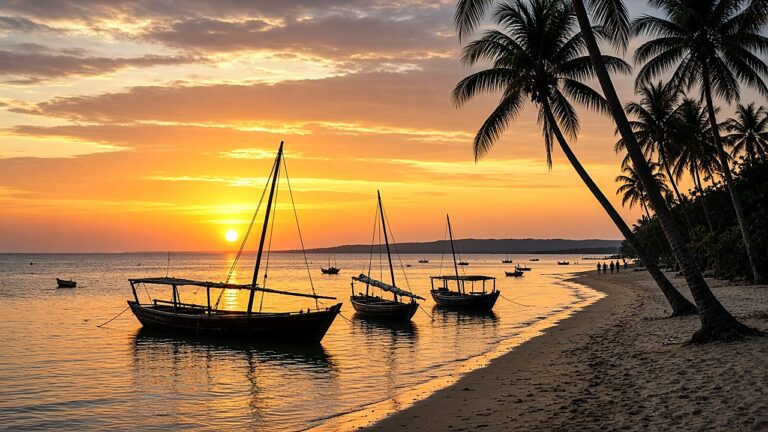
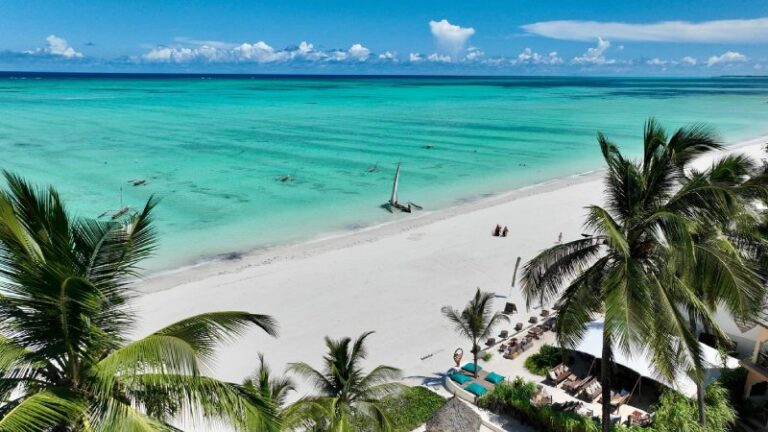
Zanzibar and the Tanzanian coast are generally relaxed and welcoming. On the beach, keep an eye on your belongings, do not leave valuables unattended while swimming and book boat trips through licensed operators with life jackets on board. On the east coast of Zanzibar, strong tides change the beach dramatically, so check the tide times before swimming or walking far out on the flats. Wear reef shoes to avoid sea urchins.
Respecting Local Customs
Much of feeling safe comes from fitting in respectfully. Zanzibar and the coast are predominantly Muslim, and modest dress away from the beach is appreciated. Ask before photographing people, and never photograph military sites, police, government buildings or airports. Public displays of affection are best kept low-key.
It is also important to know that same-sex relationships are illegal in Tanzania. LGBTQ+ travellers do visit, but discretion in public is strongly advised. Check your government’s advice for more detail.
Safety for Solo and Female Travellers
Many women travel in Tanzania alone or in small groups and have excellent experiences. Unwanted attention, such as persistent conversation or comments, can happen in tourist areas. Dressing modestly in towns, being clear and confident when declining offers, and using pre-booked transport at night all help. Solo travellers often find a private guide for the first day or two a great way to settle in. Our Stone Town Heritage Walking Guide is a popular choice.
Scams to Watch Out For
- Fake tour sellers: People on the street offering cheap safaris or tickets. Book only with registered operators or trusted local partners.
- Ferry ticket touts: At the Dar es Salaam ferry terminal, buy tickets only at official counters or through a trusted operator.
- Currency confusion: Count your change carefully and agree on prices before any service.
- “Friendly” guides: Unofficial guides who attach themselves to you and then expect payment. A polite, firm “no, thank you” is enough.
How a Local Team Helps
Having a local team on call is one of the easiest ways to feel safe. We know which areas to avoid at night, which roads are slow after rain and which boat operators follow the rules. If anything goes wrong, from a delayed flight to a lost phone, our concierge team is a WhatsApp message away.
Travellers who prefer a private route rather than a group bus can also read why serious travellers skip the group bus on a grand Tanzania expedition.
To see how our transfers, guides and day-by-day support are organised, start with our newly organized service catalog.
- Included: Pre-booked, private transfers with vetted local drivers
- Included: Licensed guides for parks, cities and climbs
- Included: Concierge support for bookings and changes during your trip
- Included: 24/7 WhatsApp assistance in several languages
Frequently Asked Questions
Is Tanzania safe for tourists right now?
Most visits pass without problems. Check your government’s current travel advice before you go, as it reflects the latest situation, including any regional warnings.
Is Zanzibar safe?
Zanzibar is generally safe and welcoming for visitors. Take normal precautions with belongings, dress modestly in towns and villages, and use licensed operators for boat trips.
Is it safe to go on safari in Tanzania?
Yes, when you follow your guide’s instructions. Stay in the vehicle except at designated areas, and never approach animals on foot without a ranger.
Is Tanzania safe for solo female travellers?
Many women travel solo in Tanzania without problems. Modest dress, pre-booked transport at night and clear communication help avoid unwanted attention.
Can I drink tap water in Tanzania?
It is best to drink bottled or treated water throughout your stay.
Get Your Free Custom Tanzania Tour Quote Today!
Travel with vetted local drivers, licensed guides and a concierge team that is always one message away, at fair local prices.
Browse Multi-Day Tours Explore Short Excursions