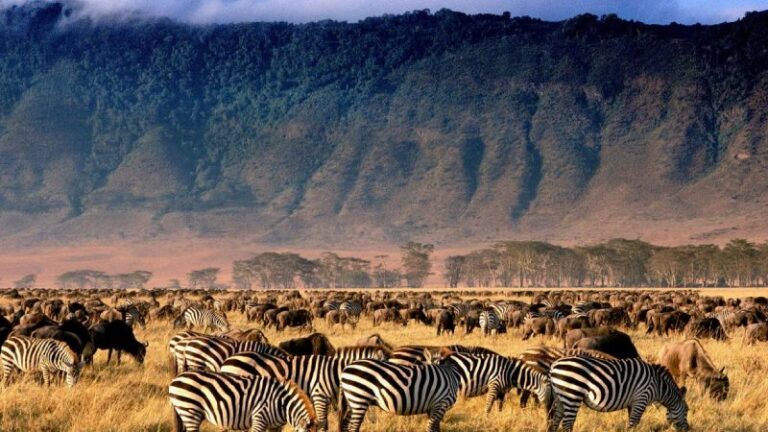
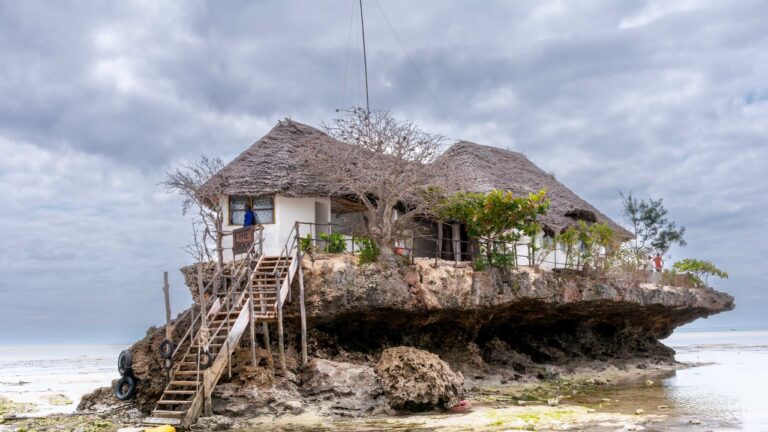
Ask ten safari guides about the best time to visit Tanzania and you will get ten slightly different answers, and every one of them will be partly right. Tanzania is not one destination with one season. It is a savannah country, a mountain country and an island country at the same time, and each of those has its own calendar. The dry northern plains, the snowcapped summit of Kilimanjaro and the turquoise lagoons of Zanzibar all peak at slightly different moments.
This guide breaks the year down month by month so you can match your dates to what you actually want to see. Whether that is a river crossing in the Serengeti, a summit attempt on Kilimanjaro or a quiet week on the beach, our local team plans around the same seasons every day.
Tanzania’s Seasons at a Glance
Tanzania sits just south of the equator, so temperatures stay fairly steady through the year. What really changes is the rain. Most of the country follows two rainy periods: the short rains, usually around November and December, and the long rains, typically from March to May. Between them sit the two dry windows that most travellers aim for.
The classic safari season. Grass is short, water is scarce and animals gather around rivers and waterholes, which makes wildlife much easier to find. It is also the busiest and most sought-after period in the northern parks.
Rain usually arrives as afternoon showers rather than all-day downpours. The landscape turns green again, crowds thin out, and the herds start drifting back towards the southern Serengeti.
Warm, green and often excellent. This is calving season in the southern Serengeti and Ndutu area, and one of the two main climbing windows on Kilimanjaro.
The wettest stretch of the year. Some remote camps close and certain tracks become difficult, but the parks that stay open are quiet and lush. April and May are generally the hardest months for travel.
The Best Time for a Safari in Tanzania
For most first-time visitors, the long dry season from late June to October is the safest choice. Vegetation thins, animals concentrate near permanent water, and game drives in Tarangire, the Serengeti and the Ngorongoro Crater tend to be at their most reliable. Tarangire in particular is known for large elephant herds gathering along its river in the dry months.
That does not mean the rest of the year is a compromise. The green season from November to May brings fewer vehicles, newborn animals, dramatic skies and excellent birdlife, since migratory species arrive from the north. If you are comfortable with the occasional afternoon storm, it can feel like a far more personal safari.
Following the Great Migration
The wildebeest migration moves in a broad, roughly circular pattern between the Serengeti and Kenya’s Masai Mara. Its exact timing changes with the rains every year, so treat the table below as a typical pattern rather than a schedule.
| Months | Typical Herd Location | What Happens |
|---|---|---|
| December to March | Southern Serengeti and Ndutu | Grazing on the short-grass plains; calving season usually peaks around February |
| April to May | Central Serengeti | Herds begin moving north and west during the long rains |
| June to July | Western Corridor and Grumeti | Grumeti River crossings are possible |
| August to October | Northern Serengeti and Mara River | The famous Mara River crossings, highly weather dependent |
| November | Moving south again | Herds return towards the southern plains with the short rains |
- Our Great Migration Tracking tour is planned around the current herd position, not a fixed brochure route.
- For the northern crossings, look at the Northern Serengeti Mara River Crossing Safari.
- For calving season, the Lake Ndutu Calving Season Safari is built for January and February.
The Best Time to Climb Kilimanjaro
Kilimanjaro can be climbed year-round, but the two most popular windows line up with the dry seasons: roughly January to early March, and June to October. Clearer skies and drier trails make both the trekking and the summit night more comfortable. January and February tend to be a little warmer, while July to September is usually the busiest period on the mountain.
The long rains in April and May make trails muddy and views unreliable, and fewer climbers attempt the mountain then. November also sees more rain, although some trekkers like the quieter routes. Whatever month you choose, temperatures near the summit drop well below freezing at night, so proper layers matter in every season.
If you are comparing routes as well as dates, our guide to Kilimanjaro routes explains how Marangu, Machame, Lemosho and the others differ in scenery, difficulty and acclimatisation.
The Best Time to Visit Zanzibar
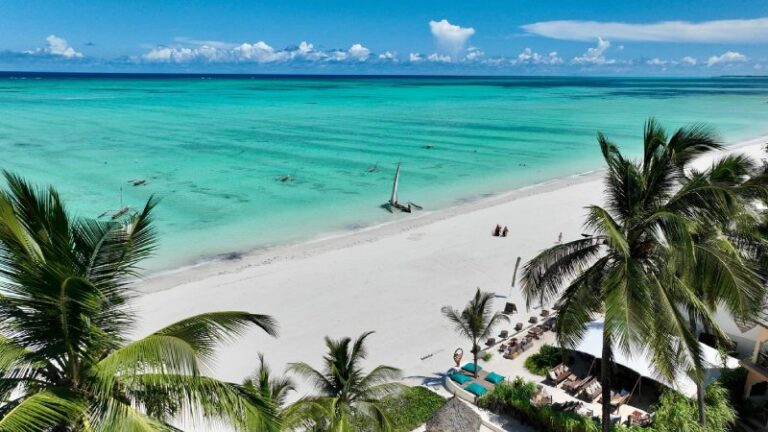
Zanzibar follows the same broad rhythm as the mainland, with a few coastal twists. The most pleasant beach weather usually falls from June to October, when humidity is lower and the trade winds keep things fresh, and again from December to February, which is hotter and very popular with European winter travellers.
The long rains from March to May bring the heaviest showers, and some smaller hotels close for part of that period. November can bring short bursts of rain, but there is usually plenty of sunshine in between.
- June to October: dry, breezy and ideal for combining with a mainland safari
- December to February: hot and sunny, great for snorkelling and calm seas
- July to February: kitesurfing season on the east coast around Paje usually runs with the trade winds
- March to May: rainiest period, quieter beaches, some properties closed
Read our guide to the best beaches in Zanzibar to decide between the north and east coast, since tides and winds affect them differently.
Tanzania Month by Month
January and February
Warm and mostly dry after the short rains. Calving season draws predators to the southern Serengeti, Kilimanjaro conditions are good, and Zanzibar is hot and sunny. A strong all-round choice for a bush and beach trip.
March
The long rains often begin during the month. Early March can still be very good in the north, but plans need a little more flexibility as the month goes on.
April and May
The wettest months. Some camps close, particularly in remote southern areas, and Zanzibar is at its quietest. Travellers who do come enjoy empty parks and very green scenery, but roads can be slow.
June
The dry season begins. Herds usually move through the central and western Serengeti, crowds are still moderate, and Kilimanjaro’s second climbing window opens.
July to September
Peak season across the north. Mara River crossings become possible in the northern Serengeti, wildlife viewing is excellent everywhere, and lodges fill early. Book your vehicle and guide well ahead for these months.
October
Still dry and excellent for game viewing, with slightly fewer visitors than August. Whale shark season off Mafia Island usually starts around now.
November and December
The short rains refresh the landscape. Prices at many lodges soften outside the Christmas period, and the herds head back south. December is festive and busy on Zanzibar.
Combining Seasons in One Trip
Because Tanzania’s highlights peak at different times, the smartest itineraries are built around overlap. A safari in the north from late June to October pairs perfectly with dry, breezy weather on Zanzibar. January and February also work well for a full combination of safari, mountain and beach.
The same overlap is especially useful when you are planning a Tanzania honeymoon that combines safari days with quieter beaches.
Southern parks follow their own logic. Areas like Nyerere and Ruaha are best visited in the dry season, and some camps there close during the long rains. Our Nyerere and Ruaha Safari is designed with that in mind.
How We Plan Around the Weather
Seasons are a guide, not a guarantee. Rains arrive early or late, and herds follow the grass rather than the calendar. Working with a local team means your plan can adapt: a different game drive area, an earlier start, or an extra day where the animals actually are.
- Included: Route planning based on current conditions, not last year’s brochure
- Included: Private safari vehicles with experienced local drivers and guides
- Included: Airport transfers on arrival and departure
- Included: 24/7 WhatsApp concierge support during your trip
Frequently Asked Questions
What is the best month to visit Tanzania?
There is no single best month. For a classic dry-season safari, July to October is the most reliable. For calving season and an all-round safari, mountain and beach trip, January and February are excellent.
What is the cheapest time to visit Tanzania?
The long rains from March to May are usually the quietest and most affordable period, as many lodges lower their rates. Some camps close, so check availability before you set your dates.
When can I see the river crossings?
Mara River crossings in the northern Serengeti usually happen between July and October. They depend on rain and herd behaviour, so no one can promise a crossing on a specific day.
Is it worth visiting Tanzania in the rainy season?
Yes, especially in November, December and January to February. Showers are usually short, the scenery is green, and there are far fewer vehicles at sightings. April and May are more challenging.
When is the best time to combine a safari with Zanzibar?
Late June to October and December to February are ideal, since both the northern parks and the island are usually dry in those months.
Get Your Free Custom Tanzania Tour Quote Today!
Tell us your dates and we will match them to the right parks, the right coast and the right climbing window, at fair local prices.
Browse Multi-Day Tours Explore Short Excursions