Seven days is the classic length for a first safari in Tanzania. It is long enough to see four very different landscapes on the northern circuit, and short enough to fit into a two-week holiday if you still want a few days on the beach afterwards. The route most travellers follow starts in Arusha, moves west through Tarangire and Lake Manyara, continues into the Serengeti and finishes at the Ngorongoro Crater before returning to Arusha.
This itinerary is a proven shape rather than a rigid timetable. Game viewing changes with the season, road times depend on weather and wildlife stops, and some travellers prefer to skip Manyara in favour of an extra night in the Serengeti. The plan below is the version we use most often for a private seven-day safari, with honest travel times and the decisions that actually matter.
Why Seven Days Works on the Northern Circuit
The northern parks sit in a logical line west of Arusha, so you are not doubling back every afternoon. Tarangire is usually a few hours’ drive from town. From there, the road continues toward the Rift Valley escarpment, the Ngorongoro highlands and the Serengeti plains. A week gives you two or three nights in the Serengeti, which is the park that rewards extra time, plus a full crater day that would feel rushed if you tried to squeeze it into a long weekend.
A shorter trip of four or five days can still be excellent, but you will spend a larger share of it in the vehicle between gates. Eight to ten days is more comfortable if you want a balloon flight, a walking safari or a buffer day after long-haul travel. Seven days remains the sweet spot for most first-time visitors.
Baobabs, a wide river course and some of the most reliable elephant viewing on the circuit, especially in the dry months.
A compact Rift Valley park of groundwater forest, floodplain and lake shore, often combined with the drive toward Karatu or the crater rim.
Open plains, kopjes and the chance to follow predator action or, in season, sections of the wildebeest migration.
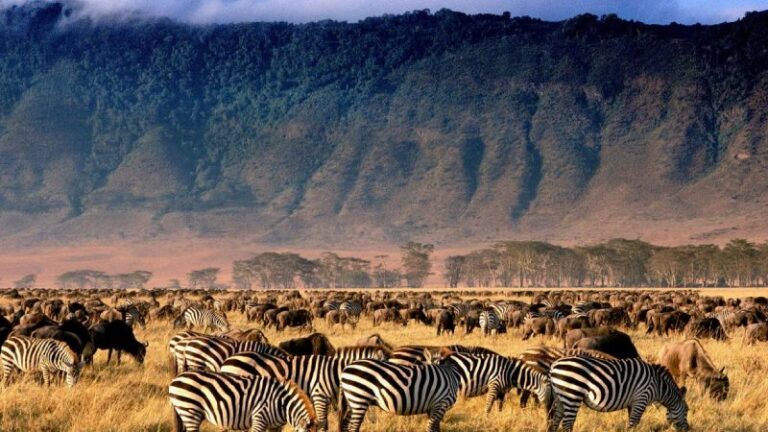
A full day on the crater floor, where lions, hippos, flamingos and, with luck, black rhino share a relatively small arena.
Day-by-Day: A Classic Seven-Day Route
Day 1: Arusha to Tarangire
Most international flights arrive at Kilimanjaro International Airport the evening before, or early on day one. After a short briefing in Arusha or a pickup from your hotel, you drive to Tarangire National Park, usually in two to three hours depending on traffic and the gate. The park is known for giant baobabs and for elephants that concentrate along the Tarangire River when the bush dries out.
Afternoon game driving here is a gentle introduction: you are still close to town, the landscape is distinctive, and you often see giraffes, zebra, wildebeest and a strong mix of birds. Overnight in a lodge or tented camp inside the park or just outside the gate. If you need a transfer from the airport first, see our guide to the Arusha airport transfer.
Day 2: Tarangire to Lake Manyara and the Highlands
A morning drive in Tarangire can last until late morning, after which you continue west toward Lake Manyara. The park itself is smaller and lower, with a groundwater forest near the gate, a floodplain that can hold buffalo and elephants, and a lake shore that attracts waterbirds. Tree-climbing lions are often mentioned; they are possible, but not something to promise yourself on a short visit.
Some itineraries spend a full night at Manyara. On a tight seven-day plan, many travellers visit in the late morning or afternoon and continue up the escarpment to Karatu or the Ngorongoro highlands, which shortens the next day’s transfer toward the Serengeti. A Tarangire and Lake Manyara safari is also a good option if you only have a weekend before a longer Serengeti stay.
Days 3 and 4: Into the Serengeti
The drive from the highlands to the Serengeti is a safari in itself. You cross the Ngorongoro Conservation Area, often with a stop at a viewpoint over the crater, then continue across the open plains toward Seronera or another central camp. The road can take six to eight hours with wildlife stops, so this is not a day to over-plan.
Once you are in the Serengeti, stay put. Two full days plus the arrival afternoon give you time for early starts and a second afternoon drive. In the dry season, central areas are often excellent for resident game. From about July to October the north is the usual focus for river crossings; from December to March the southern plains and Ndutu are often better for calving. Our month-by-month Tanzania guide helps you match dates to the herds.
Day 5: Final Serengeti morning, then toward Ngorongoro
Use the morning for a last game drive, then travel back toward the crater rim or a lodge in the Karatu area. Arriving the evening before a crater descent is more comfortable than trying to drive from central Serengeti and still reach the crater floor at first light. If you have booked a balloon flight, it usually happens on one of the Serengeti mornings, with a game drive afterwards.
Day 6: Ngorongoro Crater
The crater is a full day, not a quick look from the rim. You descend in the morning, spend hours on the floor and climb out in the afternoon. Picnic lunches are usually taken at designated sites. Wildlife is often easy to find because the caldera concentrates animals, but it can also be busy, especially in high season. A private vehicle and an early gate time make a noticeable difference. For a closer look at timing and practicalities, read our Ngorongoro Crater day trip guide.
Day 7: Return to Arusha
The last morning can be a short highland walk, a visit to a cultural stop near Karatu, or simply a relaxed breakfast and the drive back to Arusha. Plan to reach town or Kilimanjaro Airport with plenty of time for a late afternoon or evening flight. If you are continuing to Zanzibar, a short hop from Arusha or Kilimanjaro is usually easier than a long road and ferry combination on the same day.
- See the Northern Circuit Highlights tour for a structured version of this week.
- Prefer more time on the plains and in the crater? Look at the Classic Serengeti and Crater tour.
- Need a vehicle and driver from town? A multi-day safari driver from Arusha can cover the same parks.
How the Days Feel on the Ground
A typical safari day starts around 6:00 or 6:30, when the light is soft and predators are still active. Midday is usually quieter, and afternoon drives run until park rules require you back at camp. In the public Serengeti, night driving is generally not allowed, so evenings are for dinner and rest. Transfers that look short on the map can still take half a day once you count gates, wildlife stops and slow roads after rain.
Where to Adjust the Plan
Skip Manyara, add a Serengeti night
If wildlife is your priority and you already have a tight schedule, drop the Manyara visit and spend a third full night in the Serengeti. Manyara is beautiful and convenient, but it is the easiest park to shorten.
Add a balloon or a walk
A sunrise balloon flight is best planned on a Serengeti morning when you are already in the right area. A walking safari fits more naturally in Arusha National Park at the beginning, or in certain Serengeti and highland zones, and needs to be booked with a ranger. Either activity is worth the extra half day if you can spare it.
Start with a night in Arusha
If your international flight lands late, do not drive to Tarangire the same evening. Sleep in Arusha or near the airport, then start fresh. A buffer night also helps if luggage is delayed.
Best Time to Use This Itinerary
This route works all year, with different strengths. Late June to October is the most popular dry-season window, with shorter grass and reliable concentrations around water. January and February are excellent for the southern Serengeti calving season and are often slightly quieter than July and August. The long rains of April and May can close some camps and make black-cotton soil tracks difficult, so this particular road itinerary is less comfortable then. Shoulder months such as November, early June and March can be very good value if you accept some afternoon rain.
If your main goal is a Mara River crossing, you may need to bias the Serengeti nights toward the north and accept a longer drive or an internal flight. The standard seven-day road itinerary above is built around central Serengeti and the crater, which is the most efficient use of a week for first-time visitors.
Typical Costs for Seven Days
Prices vary with season, camp standard and whether you travel as a pair or a larger group. The ranges below are typical per-person prices for a private safari sharing a vehicle and rooms, and they usually include park fees, a mid-range or similar lodge, meals on safari, and a driver-guide. International flights are extra.
| Style | Typical range for 7 days |
|---|---|
| Budget camping safari | About USD 1,500 to 2,400 per person |
| Comfort mid-range lodges and tented camps | About USD 2,500 to 4,500 per person |
| Upper mid-range to luxury camps | About USD 5,000 to 9,000+ per person |
| Optional Serengeti balloon flight | About USD 500 to 650 per person |
| Internal flight Arusha to Serengeti, one way | About USD 150 to 300 per person |
Park and conservation fees are a large part of the mid-range price, especially at Ngorongoro. A cheaper quote sometimes leaves out crater fees, concession fees or flying. Always ask what is included, and whether the Serengeti nights are in the area that matches the season you chose.
What to Pack for This Week
You do not need a specialist expedition kit for a lodge or tented-camp safari. Neutral clothing, a warm layer for early crater mornings, a rain jacket, broken-in closed shoes, sun protection, binoculars and a spare camera battery cover most situations. Our Tanzania safari packing list has a more detailed breakdown, including what you can leave at a hotel in Arusha.
Common Mistakes on a Seven-Day Safari
- Trying to visit too many parks and spending the week in transit
- Booking all Serengeti nights in the wrong area for the migration month you chose
- Descending into the crater after a long morning drive from central Serengeti
- Scheduling an international departure too soon after the crater day
- Choosing the cheapest quote without checking which fees and meals are included
- Skipping a buffer night in Arusha after a late inbound flight
How This Week Combines with Zanzibar
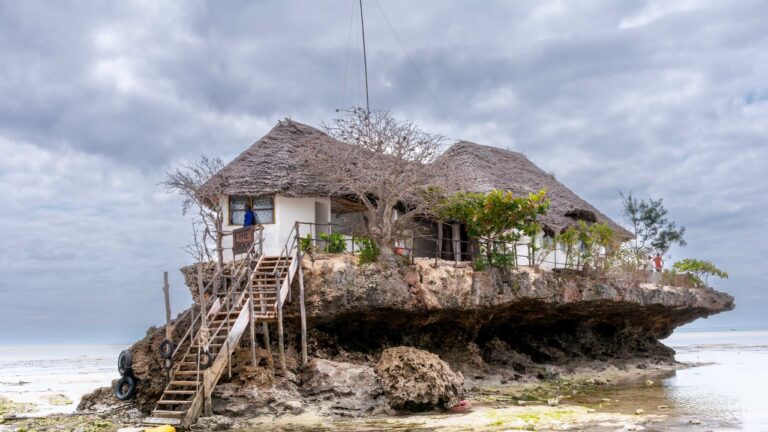
Many travellers add three to five nights in Zanzibar after this safari. The simplest link is a flight from Arusha or Kilimanjaro to Zanzibar. If you have a full two weeks, you can slow the safari down or follow a longer 14-day plan.
Frequently Asked Questions
Is seven days enough for a Tanzania safari?
Yes, for a first visit focused on the northern circuit. You can see Tarangire, Manyara, the Serengeti and Ngorongoro without rushing every night, provided you do not add too many extras.
Should I fly or drive between the parks?
Driving is part of the experience and keeps costs down on a standard seven-day route. Flying into the Serengeti saves a long transfer and is worth it if you have already spent hours on the road or want more time on game drives.
Can I do this itinerary as a day-trip loop from Arusha?
Not well. The Serengeti is too far for a day trip, and even Ngorongoro is a long day from town. Sleeping in or beside each park is what makes the week work.
Where do I start and finish?
Most private safaris start and finish in Arusha or at Kilimanjaro Airport. Some travellers fly into Kilimanjaro and out of Zanzibar after the beach extension.
What if I want to see the Great Migration?
Keep the seven-day shape, but place your Serengeti nights in the region where the herds are expected that month, and be prepared to fly if the northern or southern areas are too far by road.
Get Your Free Custom Tanzania Tour Quote Today!
Tell us your dates and travel style, and our local team will shape a seven-day safari around the parks, camps and pace that suit you.
Browse Multi-Day Tours Explore Short Excursions