Packing for a safari is different from packing for any other holiday. You will spend long days in an open vehicle, start before sunrise in surprisingly cold air, sit in the midday heat, and possibly squeeze your luggage into a small aircraft. Bring too little and you will be cold at dawn. Bring too much and you will be dragging a heavy suitcase across a dusty airstrip.
This Tanzania safari packing list is based on what our drivers and guides see every day in the Serengeti, Ngorongoro and Tarangire. It covers what to bring, what to leave behind and a few local rules that catch travellers out.
Start With the Right Bag
If your itinerary includes a light-aircraft flight between parks, a soft duffel bag is essential. Small planes have strict luggage limits, often around 15 kilograms including hand luggage, and hard suitcases may not fit in the hold. Each airline sets its own rules, so check them before you pack. Even on a road safari, soft bags are easier to fit into a safari vehicle.
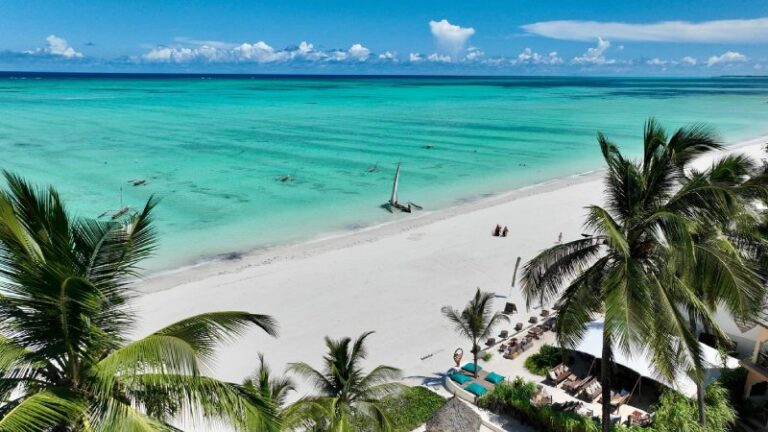
If you are combining safari with a beach stay on Zanzibar, many hotels in Arusha can store extra luggage while you are on safari. Ask our concierge team about storage options for your hotel.
Clothing: Colours Matter
Safari clothing should be practical, breathable and in neutral colours such as khaki, beige, olive and light brown. These colours show dust less, keep you cooler and are less distracting to wildlife.
Khaki, beige, sand and olive blend into the landscape and hide dust. They are the classic choice for good reason.
These colours are known to attract tsetse flies, which are found in some parks, including parts of Tarangire and the western Serengeti.
Camouflage clothing is associated with the military in Tanzania and neighbouring countries and is best left at home.
White shows every speck of dust within minutes on a game drive, and bright colours stand out more to animals.
The Core Clothing List
- 3 to 4 lightweight, breathable shirts or T-shirts
- 2 long-sleeved shirts for sun protection and evening insects
- 2 pairs of comfortable trousers, ideally quick-drying
- 1 pair of shorts for warm afternoons at camp
- 1 warm fleece or light down jacket for early mornings and evenings
- 1 lightweight waterproof jacket, especially in the green season
- Comfortable closed shoes or light walking shoes, plus sandals for camp
- A wide-brimmed hat and a buff or scarf against dust
- Swimwear for lodge pools or a beach extension
- Sleepwear warm enough for cool highland nights
Layers for Cold Mornings
Many travellers are surprised by how cold a safari can be. Game drives often start before sunrise, when the air in an open vehicle is chilly. On the rim of the Ngorongoro Crater, at over 2,000 metres, early mornings and nights can feel genuinely cold. By midday, the same day can be hot.
The answer is layering: a T-shirt, a long-sleeved shirt and a fleece or light jacket that you can peel off as the day warms up. A warm hat and light gloves take up almost no space and are very welcome at dawn.
Health and Personal Essentials
Speak to your doctor or a travel clinic well before departure about vaccinations and malaria prevention for Tanzania. Requirements and recommendations change, and some depend on the countries you are travelling from. For example, a yellow fever certificate may be required if you arrive from a country with a risk of yellow fever transmission.
- Any personal prescription medication, in original packaging, plus a copy of the prescription
- Malaria prophylaxis if recommended by your doctor
- Insect repellent suitable for tropical regions
- High-factor sunscreen and lip balm with SPF
- A small first-aid kit with plasters, painkillers and rehydration salts
- Hand sanitiser and wet wipes for dusty days
- Motion sickness tablets for bumpy roads or small planes
- Eye drops, since dust can irritate contact lens wearers
Camera and Wildlife-Watching Gear
You do not need professional equipment to come home with great memories, but a few items make a big difference.
- Binoculars: Arguably the most important item on any safari. One pair per person avoids constant passing back and forth.
- A zoom lens or a camera with good optical zoom: Many sightings happen at a distance, especially in open areas like the Ngorongoro Crater.
- Spare batteries and memory cards: You will take more photos than you expect.
- A dust-proof bag or cover: Fine dust gets into everything during the dry season.
- A small bean bag: Useful for resting a long lens on the vehicle’s window frame.
- A power bank: Charging points in vehicles and remote camps can be limited.
Tanzania mainly uses Type D and Type G plugs, so bring a suitable travel adapter.
Your Day Bag on Game Drives
On a game drive, your main luggage stays at the lodge, so a small backpack becomes your safari office. Keep it simple and within reach:
- Binoculars and camera, with a spare battery
- A refillable water bottle
- Sunscreen, hat and sunglasses
- A warm layer for the morning and a light rain jacket in the green season
- Snacks for long drives between sightings
- A small torch or headlamp for early starts and evenings at camp
- Tissues or a small roll of toilet paper for bush stops
A bag with a soft base is easier to keep steady on the vehicle floor during bumpy drives.
Documents and Money
- Passport valid for at least six months beyond your travel dates, with blank pages
- Visa or e-visa confirmation, if required for your nationality
- Travel insurance documents, including medical evacuation cover
- Zanzibar inbound travel insurance certificate if you are visiting the islands
- Printed and digital copies of your bookings
- Tips are not required or expected. Drivers set their own fair prices, but they appreciate a tip, so it is always a nice gesture.
Entry rules change from time to time, so check the official immigration information for your nationality before you fly. If Zanzibar is part of your trip, read our note on the island’s mandatory insurance in the Dar es Salaam to Zanzibar ferry guide.
Local Rules to Know Before You Pack
- Tanzania banned plastic carrier bags in 2019, and travellers may be asked to hand them over on arrival. Use reusable cloth or mesh bags for shoes and laundry, and keep only transparent zip-lock bags for toiletries as required by airport security.
Drones also need special permission in Tanzania and are generally not allowed in national parks without the relevant permits. If you plan to bring one, ask us before you travel rather than risk it being held at customs.
What You Do Not Need to Pack
Most lodges and camps provide towels, bed linen and basic toiletries, and many offer a laundry service, which means you can pack lighter than you think. Leave behind:
- Formal or dressy clothes: safari evenings are relaxed and casual
- Heavy hiking boots, unless you are also climbing Kilimanjaro or Mount Meru
- Large hard-shell suitcases if you are flying between parks
- Expensive jewellery that you would not want to lose
Packing for Each Season
In the dry season, from about June to October, dust and cold mornings are the main challenges, so focus on a buff, warm layers and dust protection for your camera. In the green season, from November to May, add a reliable rain jacket and quick-drying clothes, and be more generous with insect repellent. Our guide to the best time to visit Tanzania explains what each month brings.
Safari Plus Beach Plus Mountain
If you are combining a safari with Zanzibar or a climb, pack in modules. Keep your beach clothes and swimwear in one bag that can stay in storage, and your safari gear in a soft duffel. Kilimanjaro needs a dedicated set of technical layers and gear, which reputable climbing operators help you prepare. See our Kilimanjaro routes comparison for more on planning a climb.
If you are packing for a longer private itinerary rather than a group tour, our guide to a grand Tanzania expedition explains why some travellers skip the group bus.
Frequently Asked Questions
What colours should I avoid on a Tanzania safari?
Avoid dark blue and black, which attract tsetse flies, and camouflage patterns, which are associated with the military. Bright white shows dust quickly.
How much luggage can I take on a safari flight?
Light aircraft often limit luggage to around 15 kilograms per person in a soft bag, including hand luggage. Limits vary by airline, so confirm before travelling.
Is it cold on safari in Tanzania?
Early mornings and evenings can be cold, especially in the highlands around the Ngorongoro Crater. Pack a fleece or light jacket for game drives.
Can I bring plastic bags to Tanzania?
Plastic carrier bags are banned. Use reusable bags instead. Clear zip-lock bags for toiletries in hand luggage are generally accepted for airport security.
Do I need special safari clothes?
No. Comfortable, breathable clothes in neutral colours work perfectly. There is no need for expensive specialist gear.
Get Your Free Custom Tanzania Safari Quote Today!
Our local team will plan your parks, vehicle, driver and luggage logistics, so you can pack light and focus on the wildlife, at fair local prices.
Browse Multi-Day Tours Explore Short Excursions